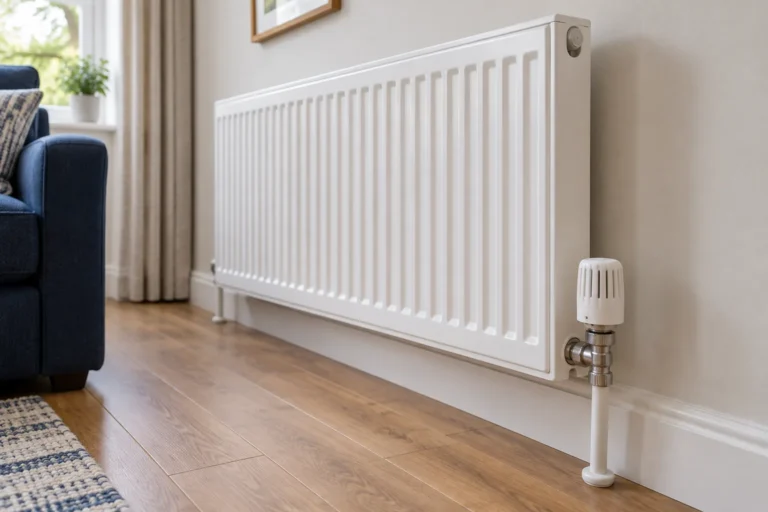
Low water pressure or no water: checks for Leicester homes
If your taps have become weak or stopped running, first check whether the problem affects one outlet or the whole home, then check your water supplier's incident information. Those two observations help you choose between reporting a supply problem and arranging a plumbing assessment.
By Plumber Leicester Pro editorial team · Sources checked . General guidance; repairs depend on your fittings and property.
In this guide
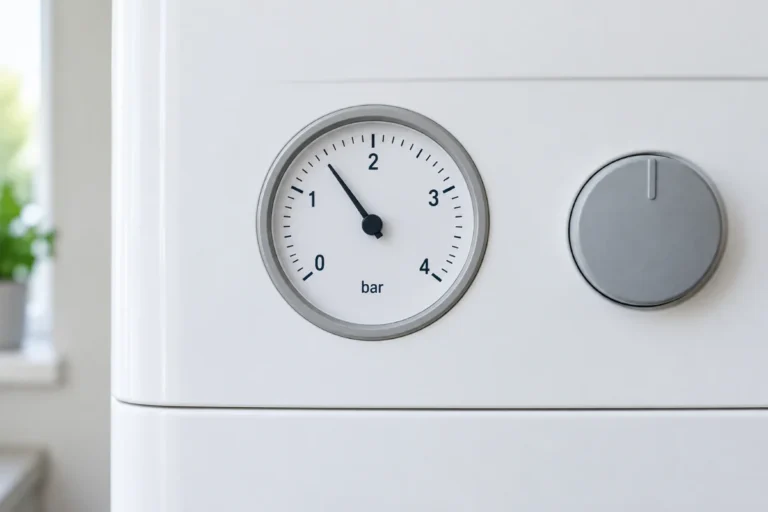
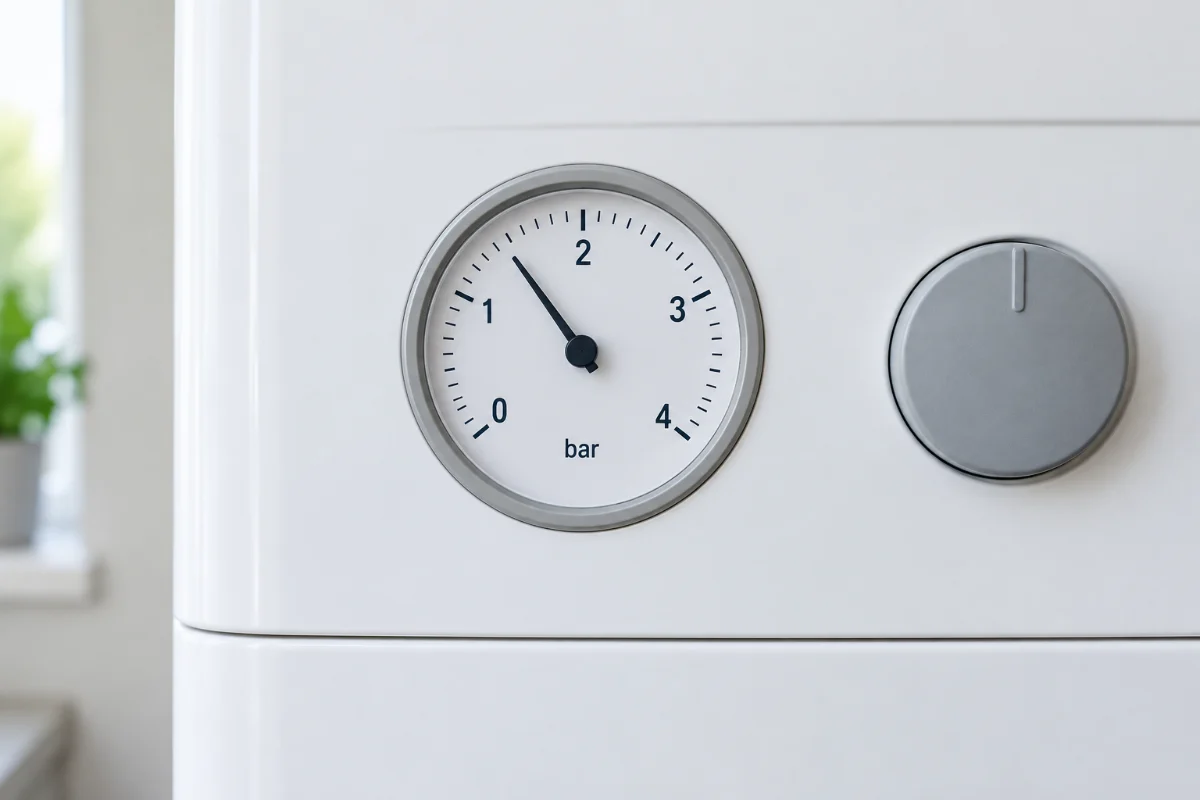
Weak tap flow is different from a low reading on a sealed heating system's pressure gauge. Topping up a boiler is not a way to restore the mains water supply or make a shower stronger.
Start with the pattern
Use what you have already noticed, or make a brief comparison at a safely accessible tap. Do not leave taps running. Skip testing altogether if you can see a leak, water is escaping or a drain is backing up.
| Where the problem occurs | What to check next |
|---|---|
| One tap or shower, while others work normally | Note the affected outlet and whether its hot, cold or both settings are affected. An outlet or local plumbing fault may need checking. |
| Several cold taps, or the whole home | Check the supplier's incident information and whether neighbouring properties have the same problem. |
| Hot water only, with cold taps flowing normally | Record any appliance message and contact the landlord or appropriate plumbing/heating professional. Follow your appliance instructions. |
| Water becomes weak when several outlets are used together | Note which outlets were in use. The supply and plumbing arrangement need assessment before choosing a remedy. |
| The boiler gauge is low but the taps work normally | Use the separate heating-pressure guidance below. This is a different observation from weak tap flow. |
These patterns narrow the report; they do not identify a failed part or prove who is responsible for the pipework.
Check your water supplier before booking a visit
For a Severn Trent supply, start with its water supply and pressure help. It links to incident information and explains the checks the company uses when handling a report. Check your water bill if another company supplies your home.
If there is a listed interruption affecting your address, use the supplier's updates and reporting route. If no incident is shown, that does not rule out an unreported problem. Report a sudden loss of supply or a continuing whole-home problem rather than assuming you need a private repair.
Where practical, ask a neighbour whether their water is affected. Mention whether you share a building or supply arrangement. One neighbour having water does not prove the fault must be inside your home, and several affected homes do not establish the exact location of a fault.
Make only simple, accessible checks
Think about any recent plumbing work, a water shut-off or a change to an appliance. A known internal stop tap left partly closed is useful information to report.
If you recognise that valve and can reach it safely, check whether it was left partly shut. Open it gently if appropriate; do not force it, use extra leverage or turn unidentified valves. If it will not move or starts leaking, stop and arrange help. Leave street covers, shared controls and sealed equipment alone.
For a single weak tap, note whether the problem began suddenly or developed gradually. Do not dismantle cartridges, mixer controls or a shower valve to find out. Give the make and model, if readily visible, to the person arranging the repair.
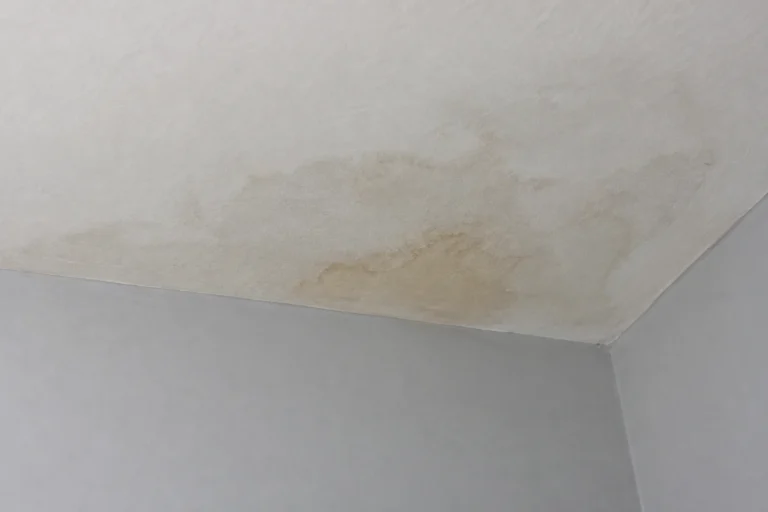
If you also notice escaping water or a new damp patch, report both symptoms. Our leak enquiry page explains what to describe. Avoid repeatedly opening taps to investigate a suspected leak.
Pressure, flow and the boiler gauge are different
Pressure is the force driving the water. Flow is the amount delivered over time. A slow-filling glass shows reduced delivery at that outlet; it does not, by itself, measure the incoming pressure or identify the cause.
WaterSafe's pressure guidance explains that the property, its plumbing and demand can affect what reaches the taps. A useful assessment may need readings taken under defined conditions, including while water is being used. Ask what was measured and where, rather than relying on one universal target for every fixture.
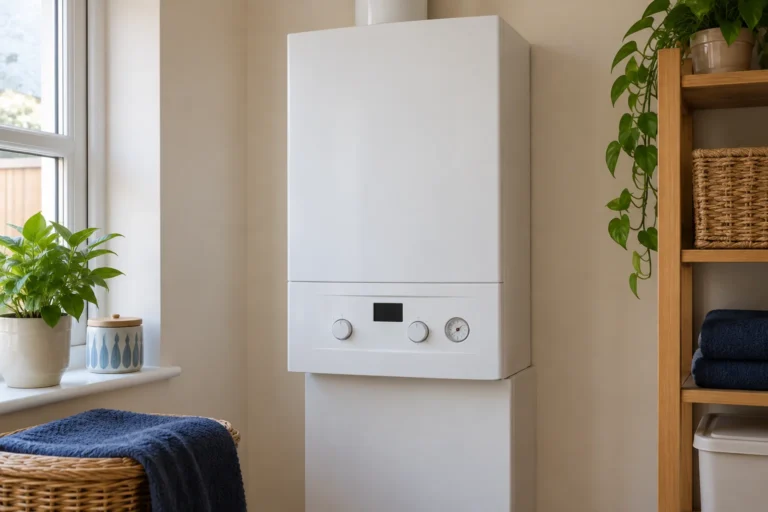
On a sealed heating system, the boiler's pressure display relates to the heating circuit. Worcester Bosch's Greenstar i guidance illustrates that distinction for those models. Your own appliance manual remains the reference for its controls and limits.
If the issue is the heating gauge, read why a boiler may lose pressure and our model-first guide to topping up boiler pressure. Do not open a filling loop to try to improve tap pressure.
What to do during a water interruption
Keep taps closed when they are not being used. Follow your supplier's instructions as the service returns, including any advice specific to your address or water quality.
Severn Trent's supply-interruption advice covers water-using appliances and support during an outage. Avoid starting washing machines, dishwashers or other appliances that need the missing supply. What to do with the heating depends on the system: consult the appliance instructions or ask the manufacturer or an appropriate professional. There is no single boiler-setting instruction that fits every home.
Tell the supplier if the interruption creates an additional support need. Use its current support arrangements; do not assume a particular delivery or restoration time unless it has confirmed one for you.
If you rent your home
Report the symptoms to your landlord or managing agent, including any supplier incident reference. Follow their repair arrangements and agree who can authorise a private visit before booking it.
Leicester City Council tenants can use the council's repair-reporting service. A water-company interruption should still be reported through the supplier's route; the council service does not replace it.
What to ask before paying for a repair
Have your postcode, the start time, the affected outlets and any recent work ready. Mention whether hot and cold water differ, whether neighbours are affected and what the supplier has said.
Ask the person assessing the plumbing:
- What checks does the initial visit include, and what does that visit cost?
- Will the supply or flow be measured before a repair is proposed?
- What finding supports the suggested repair, and are parts or further visits extra?
- How will additional work, VAT and the final invoice be agreed?
Do not buy a pump, replace a shower or agree to a new boiler simply from the symptom “low pressure”. The cause and the suitability of any change need checking first.
Need a plumbing assessment in Leicester?
Call 0116 488 6858 or send a plumbing enquiry after checking the relevant supplier route. Explain whether you need help with one outlet, internal plumbing or an unresolved supply concern.
Plumber Leicester Pro handles enquiries 24/7. The supplier confirms coverage, attendance, the work and charges before you agree to a booking. Water-company incidents should continue through the water company's reporting service.